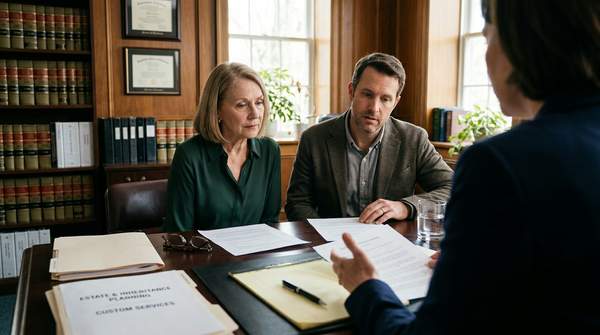
When someone dies with a revocable living trust, the family may expect the inheritance process to be relatively straightforward. Although a trust can help avoid probate, it does not eliminate the responsibilities involved in settling an estate. The person named as successor trustee must take control of trust assets, notify interested parties, address financial obligations, prepare required records, and distribute property according to the trust document.
Robert P. Bergman assists California successor trustees with these responsibilities through his trust administration practice. Based in San Jose, he works with trustees navigating the legal and administrative duties that follow a death, including statutory notices, accountings, tax-related requirements, and beneficiary distributions.
Understanding the process is particularly important for adult children who suddenly find themselves responsible for administering a parent's trust. The role carries legal obligations, and mistakes can create financial exposure or disputes among beneficiaries.
The Successor Trustee Takes Responsibility
A successor trustee is the person or institution designated to manage a trust when the original trustee can no longer serve. In many family estate plans, the original trust creators act as their own trustees while alive and capable of managing their affairs.
After the settlor's death, the successor trustee assumes responsibility for administering the trust under its terms. The trust generally becomes irrevocable at that point, meaning the successor trustee must follow its established distribution instructions rather than make personal decisions about who should inherit.
The position involves more than distributing money or handing over property. A trustee has fiduciary duties to the beneficiaries and must act in accordance with the trust document and California law. This includes protecting trust property, maintaining accurate records, communicating appropriately, and handling distributions fairly.
An adult child named as successor trustee may be balancing grief, family expectations, employment, and personal responsibilities while learning an unfamiliar legal role. Having a clear understanding of the obligations from the beginning can help prevent avoidable complications.
The First 60 Days Require Particular Attention
One of the most important early responsibilities involves notifying heirs and named beneficiaries. Under California Probate Code Section 16061.7, a successor trustee generally must provide the required notice within 60 days after the settlor's death or another triggering event specified by law.
This notice informs interested parties about the trust administration and provides important information concerning their rights. It also triggers a statutory period during which a beneficiary or heir may bring a contest, generally 120 days after receiving the notice or after receiving a copy of the trust, whichever occurs later under the applicable statutory rules.
The notice requirement should not be treated as an informal family announcement. It has specific legal requirements, including who must receive it and what information it must contain.
Missing the deadline or sending an incomplete notice can create unnecessary uncertainty. In particular, failure to provide proper notice may leave the period for contesting the trust unresolved.
Robert P. Bergman helps successor trustees address these early obligations. Establishing a clear timeline at the beginning gives the administration a more organized foundation and reduces the risk of overlooking statutory requirements.
Securing and Identifying Trust Assets
Once appointed, the successor trustee needs to identify the property held by the trust and take reasonable steps to protect it. This can involve reviewing the trust document, gathering financial statements, confirming ownership records, and securing physical property.
Real estate may require attention to insurance, maintenance, utilities, mortgage payments, and access. Financial institutions may need documentation confirming the trustee's authority before allowing access to accounts. Investment accounts, business interests, and other holdings may require separate administrative procedures.
The trustee should also determine whether the trust contains assets that need immediate attention. Outstanding bills, recurring payments, property expenses, and contractual obligations should be reviewed so that the trust remains properly managed.
An accurate inventory is important because the trustee cannot distribute assets responsibly without knowing what the trust owns and what obligations remain. Valuations may also be needed for accounting, tax reporting, and eventual beneficiary distributions.
Documentation should be maintained throughout this stage. Keeping statements, receipts, invoices, correspondence, and transaction records creates an organized record of the trustee's actions.
Understanding the Tax and Financial Responsibilities
Trust administration often involves tax obligations that differ from those the deceased person handled during life. Depending on the circumstances, the successor trustee may need to obtain a separate tax identification number for the trust and coordinate the preparation of required tax returns.
The deceased person's final individual income tax return must also be addressed. Depending on the estate's assets and income, fiduciary income tax filings and other federal or California reporting obligations may apply.
The trustee should not assume that every asset can be distributed immediately. Outstanding debts, taxes, expenses, and other liabilities need to be identified before determining what is available for beneficiaries.
Real property and investment assets may also require valuation as of the date of death. These values can have implications for tax reporting and the financial records supporting the administration.
Robert P. Bergman's trust administration work includes guiding successor trustees through these responsibilities. Coordination with tax professionals may also be appropriate where the administration involves complex income, property, or estate tax issues.
Why Trust Administration Usually Takes Several Months
Families sometimes expect a trust distribution to happen shortly after a funeral. In practice, the process can take considerably longer.
The successor trustee must complete required notices, identify and value assets, address liabilities, prepare tax filings, and provide the necessary accounting. If the trust requires separate sub-trusts, those arrangements may also need to be established and funded before the final distributions can occur.
For many California families, trust administration takes approximately nine to 18 months, although the actual timeline depends on the estate's complexity, the number of beneficiaries, asset types, tax matters, and any disputes.
Real estate can add another layer of work. A property may need to be maintained, appraised, sold, or transferred to a beneficiary. Business interests may require additional coordination with operating agreements and other governing documents.
The trustee should communicate realistic expectations rather than promise a specific distribution date before understanding the full administrative requirements.
Accountings and the Duty to Keep Beneficiaries Informed
A successor trustee is responsible for maintaining records that show how trust property has been managed. California law generally requires trustees to provide accountings to beneficiaries at appropriate intervals unless an applicable exception or waiver applies.
An accounting can identify the assets held, income received, expenses paid, distributions made, and property remaining in the trust. It provides beneficiaries with information about how the administration is progressing.
Accurate records are also important when questions arise. A beneficiary may want to understand why a property has not been sold, why an expense was paid from trust funds, or why a distribution is taking longer than expected.
Trustees should avoid treating reasonable questions as personal challenges. Their responsibility is to administer the trust according to its terms and legal duties, not to satisfy individual beneficiaries' preferred outcomes.
Robert P. Bergman helps successor trustees understand the accounting and communication requirements associated with California trust administration. Proper documentation can make the process more transparent and help reduce disagreements.
When an Asset Was Never Transferred into the Trust
An unexpected complication can arise when the family discovers that an asset was intended to belong to the trust but remained in the deceased person's individual name.
For example, a parent may have established a living trust and intended to transfer a home into it. However, the deed may never have been completed or recorded. A brokerage account or business interest may have been overlooked as well.
Assets that remain outside the trust do not automatically become trust property simply because the deceased person intended to include them. Depending on the circumstances, probate or another legal procedure may be necessary.
A Heggstad petition under California Probate Code Section 850 may provide a way to ask the court to confirm that an asset belongs to the trust. The outcome depends on the available evidence, trust documents, asset records, and facts surrounding the intended transfer.
Robert P. Bergman handles Heggstad petitions alongside trust administration matters. This allows trustees to address certain ownership problems as part of the broader estate administration rather than treating every unexpected asset as an isolated issue.
Distributing Property and Completing the Administration
Final distribution takes place after the trustee has addressed the applicable obligations and determined what property is available for beneficiaries.
The trust document controls how distributions should occur. Some beneficiaries may receive assets outright, while others may receive their inheritance through continuing trusts. Certain arrangements may require separate sub-trusts for a surviving spouse, a beneficiary with special needs, or a person whose inheritance is intended to remain protected over time.
The trustee must follow those provisions rather than substitute personal preferences. Distribution records and signed receipts may also be appropriate to document the transfer of property and completion of the administration.
A final review helps establish whether remaining assets, liabilities, tax matters, and administrative responsibilities have been addressed. Closing an administration without sufficient preparation can expose the trustee to questions or claims later.
Experienced Guidance for California Successor Trustees
Trust administration is a significant responsibility, particularly for individuals handling it for the first time. The absence of routine court supervision in most trust administrations does not remove the trustee's legal duties or personal accountability.
Robert P. Bergman has practiced in Santa Clara County since 1980 and handles trust administration, probate-related matters, and specialized trust petitions throughout California. His practice provides guidance to successor trustees working through the responsibilities that follow a loved one's death.
Families can begin by gathering the trust document, death certificate, financial statements, property records, and information about known debts. A review of these materials helps establish the next administrative steps.
With appropriate legal guidance, successor trustees can approach the process more systematically, protect the trust's assets, and carry out the deceased person's instructions with greater clarity. For beneficiaries, that careful administration helps preserve the purpose of the estate plan and supports an orderly transition of family property.